Motorcycle Licensing Requirements in Kansas
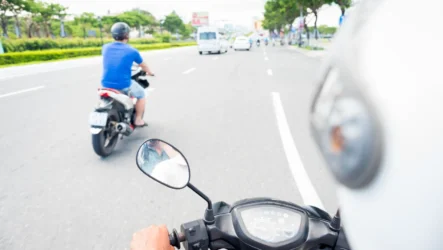
Motorcycle Licensing Requirements in Kansas
Anyone planning to operate a motorcycle in Kansas must comply with the state’s licensing requirements, which are designed to promote safe and responsible riding. Whether you’re a first-time rider or relocating from another state, it’s essential to understand what steps are required to legally and safely take to the road.
If you have questions about the process or need help after a motorcycle-related legal issue, call Wendt Law Firm at (816) 531-4415 to speak with a member of our team.
To legally operate a motorcycle in Kansas, you need either a full motorcycle license or an endorsement on your existing driver’s license. Kansas offers flexible options, depending on whether you want to ride motorcycles only or also drive standard vehicles. The credentials you need are:
- Class M License. This is a standalone motorcycle license for individuals who wish to ride a motorcycle only.
- Class M Endorsement. This is an endorsement added to an existing standard driver’s license, allowing you to drive a motorcycle and other vehicles.
Whatever path you choose, you must meet several requirements before being allowed to legally ride a motorcycle on public roads.
Eligibility Requirements for a Kansas Motorcycle License
Before applying for a motorcycle license or endorsement in Kansas, riders must meet certain eligibility requirements. These requirements are designed to ensure that every motorcyclist has the foundational skills and knowledge to safely operate their bike on public roads. These requirements include:
- You must meet the minimum age requirements for the credential you’re applying for.
- You need to pass a vision screening.
- You need to complete a written motorcycle knowledge test.
- You need to pass a road test, unless exempt through a safety course.
- You need to pay any applicable fees.
Meeting these eligibility requirements is the first step toward obtaining a license to operate a motorcycle in Kansas.
Motorcycle Learner’s Permit
The start of your motorcycle journey begins with getting a learner’s permit. This permit provides new riders with the opportunity to learn essential riding skills under controlled conditions, which can help build confidence and experience before obtaining a full motorcycle license. The motorcycle permit allows riders to practice under certain restrictions, including:
- No riding after dark.
- No passengers allowed.
- No highway riding (depending on age).
A motorcycle learner’s permit is a valuable stepping stone that prepares riders for the responsibilities of solo riding. By following the permit’s rules and gaining hands-on practice, you set yourself up for success when it’s time to take the next step.
Motorcycle Written Knowledge Test
This test evaluates your knowledge of safe motorcycle operation, traffic laws, and defensive driving techniques. It covers topics like:
- Safe turning and braking techniques.
- Lane positioning.
- Sharing the road with other vehicles.
- Understanding signage and traffic signals.
Successfully passing the written knowledge test demonstrates that you understand the important rules and safety practices you need to become a responsible motorcycle rider.
Road Test or Motorcycle Safety Course
Before you get your full motorcycle license, you need to demonstrate practical riding skills. The state offers two ways to fulfill this requirement: passing the official road test or completing an approved motorcycle safety course. Some key components of each include:
Road Test:
- Demonstrate smooth starts and stops.
- Perform controlled turns and lane changes.
- Use proper signaling and hand controls.
- Execute emergency stops and quick maneuvers.
- Show awareness of surrounding traffic and road conditions.
Motorcycle Safety Course:
- Comprehensive hands-on riding instruction.
- Classroom lessons covering traffic laws and safety.
- Training in proper body positioning and balance.
- Instruction in hazard recognition and defensive riding.
- Typically waives the requirement to take the road skills test.
While the road test directly assesses your riding abilities, taking a safety course offers valuable training and confidence-building that can help ensure new riders avoid motorcycle accidents.
Transferring an Out-of-State Motorcycle License
If you’re moving to Kansas and already have a valid motorcycle license or endorsement from another state, you might not need to take the written or road tests again. To transfer your motorcycle credentials, you generally need to:
- Provide your current license.
- Pass a vision screening.
- Submit necessary identification and residency documentation.
- Pay transfer and licensing fees.
If your out-of-state license is expired or doesn’t have a motorcycle endorsement, you might need to follow the standard Kansas licensing procedure.
Safe Riding Starts with Proper Licensing
Obtaining your motorcycle license in Kansas is an important step toward safe and lawful riding. However, if you’re involved in a motorcycle accident and do not have the proper license, you may face additional legal challenges. Regardless of your licensing status, it’s critical to understand your rights and seek the legal support you need.
At Wendt Law Firm, we’re here to help you pursue the compensation you deserve and guide you through the legal process with clarity and confidence. Call us today at (816) 531-4415 to schedule a free consultation.

Schedule Your Free Case Evaluation
” * ” Indicates Required Fields

© Copyright 2026 Wendt Law Firm P.C.. All rights reserved.
