How Often Should Commercial Trucks Be Inspected or Maintained?
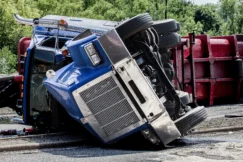 Ensuring the safe operation of commercial trucks requires regular inspections and maintenance. At Wendt Law, our accident lawyers understand the critical role of truck maintenance and the regulations governing it.
If you’ve been involved in a commercial truck accident due to insufficient maintenance, contact our experienced attorneys for a free consultation at (816) 531-4415.
Federal Oversight: FMCSA Regulations
The Federal Motor Carrier Safety Administration (FMCSA) mandates strict inspection and maintenance requirements for commercial trucks to ensure safety.
- Annual Inspections: Certified inspectors conduct thorough checks, assessing brakes, tires, lights, and steering systems.
- Biennial Inspections: A secondary inspection covering critical components like lighting and signaling systems.
- Roadside Inspections: Law enforcement officers randomly inspect trucks for compliance.
Failure to comply with FMCSA regulations can result in fines, penalties, or suspension of operating authority.
Pre-Trip and Post-Trip Inspection Protocols
Commercial truck drivers are responsible for daily inspections to identify and address potential safety concerns.
- Pre-Trip Inspection: Drivers check tires, brakes, lights, mirrors, fluid levels, and overall vehicle condition before departure.
- Post-Trip Inspection: After each trip, drivers assess exterior damage, tire condition, interior components, and listen for unusual sounds or vibrations.
These inspections help prevent accidents and ensure compliance with safety regulations.
Preventive Maintenance Schedule
Regular maintenance prevents mechanical failures and enhances vehicle longevity. Essential maintenance includes:
- Engine Oil and Filters: Routine changes prevent engine wear and overheating.
- Air and Fuel Filters: Regular replacements maintain engine efficiency.
- Transmission Fluids: Ensures smooth gear shifts and prevents transmission failure.
- Cooling System: Maintains optimal engine temperature.
- Tires and Suspension: Proper inflation, tread depth, and suspension checks ensure stability and control.
Special Maintenance Requirements
Some commercial trucks require additional maintenance considerations:
- Refrigerated Trucks: Regular refrigeration system inspections prevent spoilage.
- Hazardous Material Trucks: Adherence to specialized maintenance and safety protocols minimizes risks.
- Older Trucks: More frequent inspections and part replacements are necessary to maintain safety and reliability.
Manufacturer Guidelines
Truck manufacturers provide maintenance schedules based on mileage, engine type, and operational conditions. Following these recommendations ensures optimal performance and compliance with industry standards.
Consequences of Neglecting Maintenance
Failure to maintain commercial trucks can lead to:
- Increased accident risks due to faulty brakes, worn tires, or steering issues.
- Unexpected breakdowns that disrupt deliveries and increase operational costs.
- Legal and financial penalties for violating FMCSA regulations.
Well-Maintained Trucks Enhance Safety
Regular maintenance improves fuel efficiency, reduces emissions, and lowers operational costs while minimizing accident risks.
Legal Support for Truck Accidents
Despite thorough maintenance, accidents can still occur. If you suspect improper maintenance contributed to a commercial truck accident, Wendt Law can help you navigate the legal process and pursue compensation. Contact us today.
Visit Our Truck Accident Law Office in Kansas City
4520 Main Street, Suite 1000, Kansas City, MO 64111, United States
$100M+
Pharmaceutical
$10.3M
Motor Vehicle
Accident
$6M
Sexual Abuse
Case

Schedule Your Free Case Evaluation
” * ” Indicates Required Fields

© Copyright 2026 Wendt Law Firm P.C.. All rights reserved.
