Kansas City Jackknife Truck Accident Lawyer
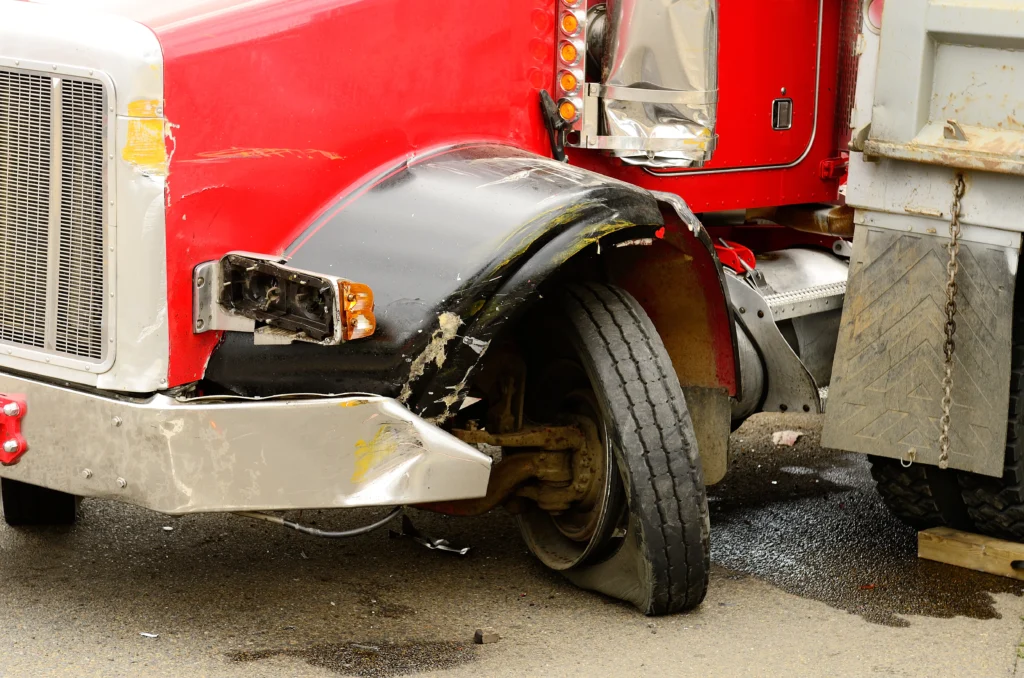 The screech of a trailer swinging sideways across the interstate is a sound no one forgets. When a tractor-trailer folds in on itself, it can sweep across multiple lanes in seconds, leaving drivers nowhere to go. If a jackknifing rig hits you on I-435 or along a stretch of I-70, the aftermath can feel chaotic and frightening.
At Wendt Law Firm, our Kansas City jackknife truck accident lawyers can bring order to that chaos and help you understand what comes next. You did not choose this collision, and the size of the vehicle that caused it should not leave you feeling powerless against a trucking company. The decisions you make in the days ahead carry real weight for your recovery and your finances.
To request a free consultation, call (816) 531-4415 or reach out online. Our team will review what happened and explain the options available to you.
What Is a Jackknife Truck Accident?
A jackknife accident happens when a truck’s trailer skids and swings outward until it forms a sharp angle with the cab, resembling a folding pocketknife. The trailer can sweep across several lanes, striking everything in its path. Because of the trailer’s length and weight, these crashes often involve multiple vehicles.
The physics behind a jackknife makes it one of the more dangerous truck collisions on highways. When the trailer loses traction while the cab keeps moving, the two sections move at different speeds, causing the rig to lose control. Drivers caught nearby rarely have time to react before the trailer reaches them.
Who Is Liable for a Jackknife Truck Crash?
Liability regularly reaches well beyond the driver behind the wheel. Sorting out the fault requires looking at the entire chain of operations behind the truck. Several parties may bear legal responsibility after a jackknife collision:
- Truck drivers
- Trucking companies
- Maintenance providers
- Cargo loaders
- Parts manufacturers
Federal regulations govern how trucking companies operate. The Federal Motor Carrier Safety Administration (FMCSA) sets brake and inspection standards under 49 CFR § 393.48, which requires that all brakes on a commercial vehicle operate properly.
Other regulations monitor hours of service for drivers, mandatory drug testing, and licensing requirements. A violation of set standards can establish trucking company liability.
How Do You Prove Fault After a Jackknife Accident?
Proving fault depends on evidence that disappears quickly if no one acts to preserve it. The truck’s electronic data, maintenance logs, and driver records tell the real story of what happened. Securing that material early lays the foundation for an injury claim.
Evidence in a jackknife case often includes the truck’s electronic logging device data, which records speed and braking events, as well as the carrier’s inspection and repair history. Missouri law allows injured parties to send a spoliation letter demanding that the trucking company preserve this data, and a company that destroys it afterward can face an adverse inference at trial, meaning a judge may instruct the jury to assume the missing evidence would have hurt the trucking company’s case. That single procedural step often determines the outcome in cases other firms walk away from.
Comparative fault rules also shape what a jackknife victim recovers. Missouri follows pure comparative fault, so a reduced award remains available even when a driver carries some blame, a principle reflected in Missouri Revised Statutes § 537.765.
What Compensation Can You Recover?
Compensation after a jackknife crash reflects both your financial losses and the personal toll of the injury. Serious commercial truck collisions regularly result in catastrophic injuries, which raises the question of what a full recovery should cover.
The value depends on the severity of your injuries and the strength of the evidence. Recoverable damages in these cases commonly include the following:
- Medical expenses
- Lost income
- Diminished earning capacity
- Pain and suffering
- Cost of long-term rehabilitation
- Loss of consortium (compensation for a spouse’s loss of companionship and support)
- Home and vehicle modifications
- Household service costs
- Damages for wrongful death
Pursuing a jackknife matter requires tying each loss to clear documentation. Our Kansas City jackknife truck accident attorneys work to account for future costs that surface long after the initial treatment ends.
Why Injured Drivers Across the Metro Choose Our Firm
Preparation, persistence, and a record of meaningful outcomes distinguish our approach. Our Kansas City personal injury lawyers bring more than 18 years of experience and have secured over $150,000,000 for injury clients. Rather than treating cases as routine matters, we evaluate each truck accident claim on its own facts and develop a strategy that reflects the unique challenges involved.
Our Kansas City jackknife truck accident lawyers dig into carrier records, federal logs, and crash data to build cases that hold up against well-funded trucking insurers. You get a focused effort aimed at the outcome your situation demands.
FAQ: Answers for Jackknife Truck Accident Victims
How Long Do You Have to File a Claim in Missouri?
Both Missouri and Kansas statutes of limitations apply to jackknife truck accident victims in the Kansas City metro. Most Missouri personal injury claims must be filed within five years of the crash. Kansas uses a shorter two-year deadline, which matters if your collision occurred across a state line. Missing the applicable window usually results in a claim being permanently closed.
Can You Recover If the Roads Were Icy?
Yes. Adverse weather conditions do not automatically relieve a truck driver or trucking company of responsibility for a collision. Commercial drivers are expected to adjust their speed, following distance, and driving behavior to account for rain, snow, ice, fog, or other roadway hazards. When a driver fails to respond appropriately to dangerous conditions, that conduct may support a finding of negligence.
What If the Trucking Company Already Called You?
Avoid giving a recorded statement before you understand your rights. Insurers for trucking companies often contact victims quickly, hoping to secure statements that limit payouts. A short, polite refusal protects your claim until you have legal guidance.
Get the Answers Your Jackknife Case Demands
A jackknife collision can leave you facing serious injury while a trucking insurer works to minimize your claim, which makes acting now the strongest move you can make. Backed by a proven record against commercial carriers, our Kansas City jackknife truck accident lawyer team at Wendt Law Firm is ready to pursue the full recovery your case calls for. Call (816) 531-4415 or contact us online for a free consultation and let our team get to work.
$100M+
Pharmaceutical
$10.3M
Motor Vehicle
Accident
$6M
Sexual Abuse
Case
Schedule Your Free Case Evaluation
” * ” Indicates Required Fields

© Copyright 2026 Wendt Law Firm P.C.. All rights reserved.
